
Blog Topics
If you own property along Lake Champlain, Lake Bomoseen, or another protected Vermont waterway, removing a tree near the shoreline isn’t always as straightforward as removing one elsewhere on your property. Vermont regulates shoreline vegetation within two different zones: 100 feet and 250 feet from the water, and different rules apply depending on where the tree stands.
That distinction can determine whether you need a permit or if work is allowed without one, and what restrictions apply to the surrounding vegetation. Before removing a shoreline tree, you need to know which zone it falls within, whether the tree qualifies for removal, and what steps you may need to take before work begins.
Key Takeaways
- Vermont’s Shoreland Protection Act applies to land within 250 feet of the mean water level, while specific vegetation standards regulate tree removal within the first 100 feet of the shoreline.
- Within the 100-foot zone, trees are evaluated in 25-by-25-foot plots and assigned 1, 2, 4, or 8 points based on trunk diameter, with at least 12 tree points required to remain after selective cutting.
- Homeowners can use Vermont’s established point system to determine whether removing a healthy tree would leave the required 12 points within that plot.
- Dead, diseased, or unsafe trees are treated differently from healthy-tree removal and may be removed without meeting the usual tree-point requirement when applicable conditions are met.
- If removing a healthy tree would leave the plot below the required 12 points, confirm with Vermont Shoreland Permitting whether the proposed removal can be approved before cutting.
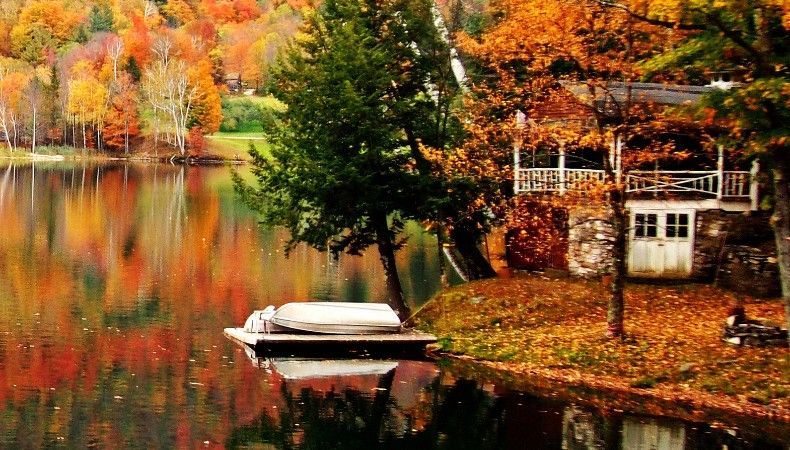
Properties beyond 100 feet from the water can still fall within the state’s 250-foot Protected Shoreland Area.
How Close to a Vermont Shoreline Can You Remove Trees?
How Vermont regulates tree removal near the water depends partly on whether the tree is within 250 feet or within 100 feet of the shoreline. Those distances matter for different reasons:
- 250-Foot Protected Shoreland Area: Vermont’s Shoreland Protection Act applies to land within 250 feet of the mean water level of lakes larger than 10 acres. Within this area, activities that alter the shoreland, including certain vegetation clearing, construction, and new impervious surfaces, may require a Shoreland Permit.
- 100-Foot Vegetation Protection Standards Zone: Trees within the first 100 feet are subject to additional vegetation requirements that determine how many healthy trees can be removed and how much vegetation must remain afterward. Vermont evaluates the trees within 25-by-25-foot plots to determine whether selective cutting meets those standards.
A healthy tree can still be removed within 100 feet of the water if the property continues to meet the Vegetation Protection Standards after the tree is cut. If the proposed removal would not meet those standards, the homeowner should determine what approval is required before proceeding.
Why Does Vermont Limit Tree Removal Near Shorelines?
Trees and other shoreline vegetation form a buffer between developed land and the water. Their roots stabilize soil and reduce erosion, while leaves, branches, groundcover, and the forest floor slow runoff and help capture sediment and nutrients before they reach the lake. Shoreline vegetation also provides shade and habitat along the water’s edge.
Removing too much of that buffer can reduce those benefits even when no single tree seems particularly important on its own. That’s why Vermont’s Shoreland Protection Act focuses on maintaining enough vegetation across the shoreline, rather than protecting every individual tree from removal.
For homeowners, that means the question isn’t just whether a particular maple, pine, or cedar can come down. Vermont also considers how much vegetation will remain around it after the work is complete. Within 100 feet of the water, the Vegetation Protection Standards use 25-by-25-foot plots to measure that remaining vegetation.
Can You Remove a Healthy Tree Within 100 Feet of a Vermont Shoreline?
Yes, in some cases. Vermont does not prohibit all healthy-tree removal within 100 feet of the water; instead, its Vegetation Protection Standards use 25-by-25-foot plots and a tree-point system to determine how much vegetation must remain after cutting.
Each tree within the plot receives points based on its trunk diameter:
- 2 to less than 4 inches: 1 point
- 4 to less than 8 inches: 2 points
- 8 to less than 12 inches: 4 points
- 12 inches or larger: 8 points
After the tree you want to remove is subtracted from the total, the plot must still have at least 12 tree points remaining to meet the tree-point requirement.
For example, a plot with two 12-inch trees worth 8 points each and one 8-inch tree worth 4 points has 20 total points. Removing one of the 8-point trees would leave 12 points, so the plot would still meet the minimum. If that same plot had only two 8-point trees for a total of 16 points, removing either one would leave the plot below the required 12 points.
Tree Points Aren’t the Only Requirement
Meeting the 12-point minimum doesn’t automatically mean the plot meets all of Vermont’s Vegetation Protection Standards. Each 25-by-25-foot plot must also retain at least five saplings, and vegetation less than three feet tall, including the duff layer, must remain.
If removing a healthy tree would leave too few tree points or otherwise cause the plot to fall below the vegetation standards, don’t assume the tree can be removed by obtaining a permit afterward. Vermont Shoreland Permitting should determine what approval, if any, is available for the proposed work before cutting begins.
Can You Remove a Dead or Hazardous Tree Near a Vermont Shoreline?
Yes. Dead, diseased, or unsafe trees can be removed even when doing so would leave a 25-by-25-foot plot below the usual 12-point minimum. Vermont’s Vegetation Protection Standards specifically allow their removal regardless of the number of tree points remaining in the plot.
There are still a couple of important requirements and considerations:
- The roots need to stay in the ground: Vermont DEC states that the below-ground root structure must remain intact, so removing the tree does not automatically mean the stump and root system can be pulled or ground out.
- A diseased tree may need professional documentation: If a tree does not otherwise qualify for removal under the point system or as clearly dead or unsafe, Vermont DEC recommends having an ISA Certified Arborist, TRAQ-qualified arborist, or licensed forester evaluate and document the disease before removal.
The exemption allows property owners to address trees that pose a safety concern or need to be removed because of their condition without sacrificing the shoreline vegetation protections around them. If you’re concerned about a tree near the water but aren’t sure whether its condition qualifies, our guide to identifying a hazardous tree explains some of the warning signs to look for.
Do You Need a Permit to Remove a Tree More Than 100 Feet from a Vermont Shoreline?
Not necessarily. Once a tree is more than 100 feet from the water, Vermont’s 25-by-25-foot plot and 12-point tree requirements no longer apply. However, land between 100 and 250 feet from the water is still within the Protected Shoreland Area, so some projects remain regulated under the Shoreland Protection Act.
For trees in this 100-to-250-foot area, whether Shoreland approval is needed depends more on the overall scope of the project than on the individual tree. Consider whether:
- You’re removing one tree or clearing a larger area
- The removal is part of a building, driveway, lawn expansion, or other development project
- The project will create additional cleared or impervious area within the protected shoreland
Once you’re more than 250 feet from the mean water level, the Shoreland Protection Act no longer regulates the work, although local zoning or other requirements may still apply.
If you’re planning tree removal between 100 and 250 feet from the water, particularly as part of additional clearing or development, confirm whether the overall project requires Shoreland approval before work begins.
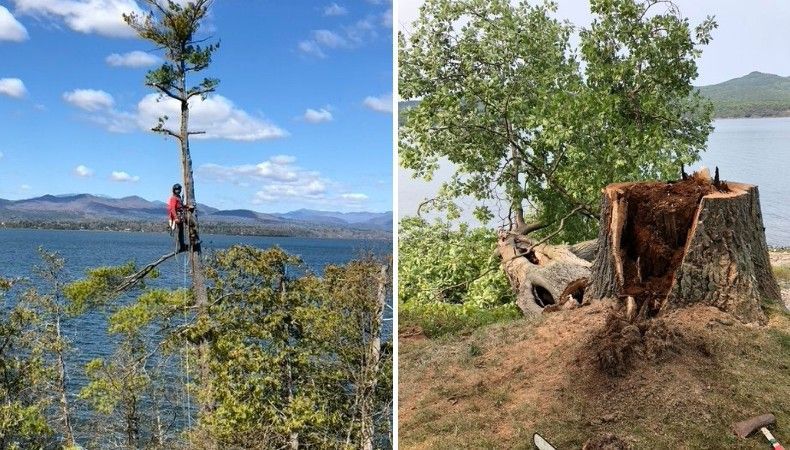
Dead, diseased, or hazardous shoreline trees can be removed without a permit, as long as the root structure stays intact.
What Should You Do Before Removing a Tree Near a Vermont Shoreline?
Even after you understand Vermont’s shoreline rules, determining how they apply to a specific property isn’t always straightforward. Property boundaries, previous clearing, the location of mean water level, and the scope of the proposed work can all affect whether state approval is required.
Before removing a tree near a protected shoreline, talk to a professional who understands Vermont’s shoreland requirements. They can evaluate the tree and site, determine whether the proposed removal meets the applicable standards, and identify whether a permit or other approval is needed before work begins.
Limbwalker can evaluate the proposed tree removal and handle the permitting process when approval is required. Our shoreline protection permits page explains how we help Vermont property owners navigate the process.
Frequently Asked Questions About Shoreline Tree Removal in Vermont
Does Vermont’s Shoreland Protection Act apply to rivers and streams?
No. Vermont’s Shoreland Protection Act and its 250-foot Protected Shoreland Area apply to lakes and ponds greater than 10 acres, not rivers and streams. Properties along rivers and streams may be subject to other Vermont regulations, so tree removal near those waterways should be evaluated separately.
Do you need a permit to prune a tree within 100 feet of a Vermont shoreline?
Not for routine pruning that stays within Vermont’s Vegetation Protection Standards. Within 100 feet of the water, you can prune branches from the lower one-third of a tree’s total height without a Shoreland Permit.
Does Vermont limit how much shoreline property you can clear?
Yes. This is separate from the 12-point system used for selective tree removal. Within the 250-foot Protected Shoreland Area, Vermont generally limits the total cleared portion of the property to 40%, including existing and proposed cleared areas. Selective tree removal that complies with the Vegetation Protection Standards is not counted the same way as clearing an area.
What shoreline vegetation can be removed without a Vermont Shoreland Permit?
Vermont provides several exemptions for specific types of vegetation work. For example, qualifying invasive-species management can be exempt, and property owners may create one footpath up to six feet wide per parcel to access the water without a Shoreland Permit. Different conditions apply to each exemption, so an exemption for one type of work doesn’t automatically allow additional clearing around it.
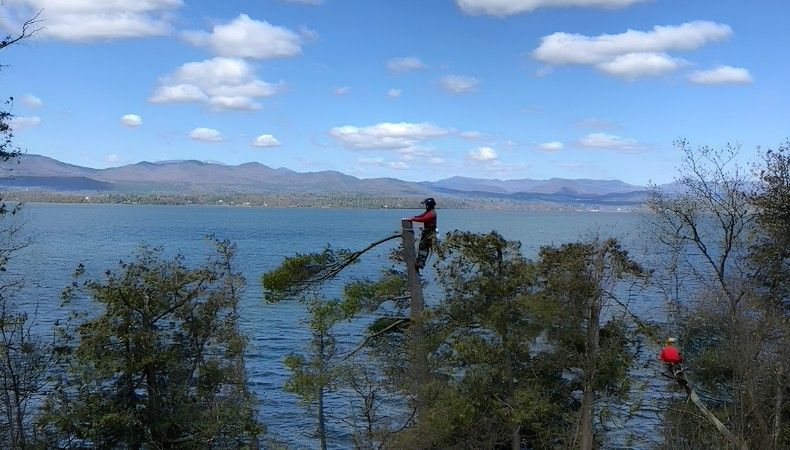
Whether a live tree can come down within 100 feet of the water depends on how much vegetation remains in the surrounding plot.
Let Limbwalker Handle Your Shoreline Trees
Tree removal near a Vermont shoreline can be completely possible, but where the tree stands, what condition it’s in, and what remains after removal can all affect how the work needs to be handled. You shouldn’t have to sort through those requirements on your own.
Limbwalker can evaluate the tree and surrounding shoreline, determine what rules apply, and handle the permitting process when one is required. Request an estimate or call us today at 802-231-0129 to have our team take a look before the tree comes down.
Vermont, Let’s Grow Great Trees Together
Whether you need pruning, planting, removal, pest and disease management, or help navigating a shoreline protection permit, we’re here and ready to bring our experience to your property.
Our Articles!
Why Fall Is a Great Time to Plant Trees in Vermont
Planting trees in Vermont this fall? Cooler weather and warm soil can help new trees establish strong roots before winter. Learn how to get started.
Why Are My Tree’s Leaves Turning Yellow in Summer?
Seeing yellow leaves or early drop on your Vermont trees this summer? Learn what heat and drought stress look like and when to call a certified arborist.
What Tree Pests and Diseases You Should Watch for in Vermont
A guide to tree pests and diseases in Vermont that homeowners should watch for and what to do next if you suspect your tree is at risk of decline.
