
For Storm Damage & Hazardous Trees
24/7 Emergency Tree Service
Our Certifications



When a Great Tree Can’t Wait Until Tomorrow
In the Champlain Valley, when a storm rolls in and a great tree ends up somewhere it shouldn’t be, like your roof or driveway, you need someone who can get there quickly to take care of it safely. Limbwalker’s ISA Certified Arborists have been responding to tree emergencies across western Vermont for more than 25 years. We’ll evaluate the situation, clarify your options, and get your property back to normal as quickly and safely as we can.
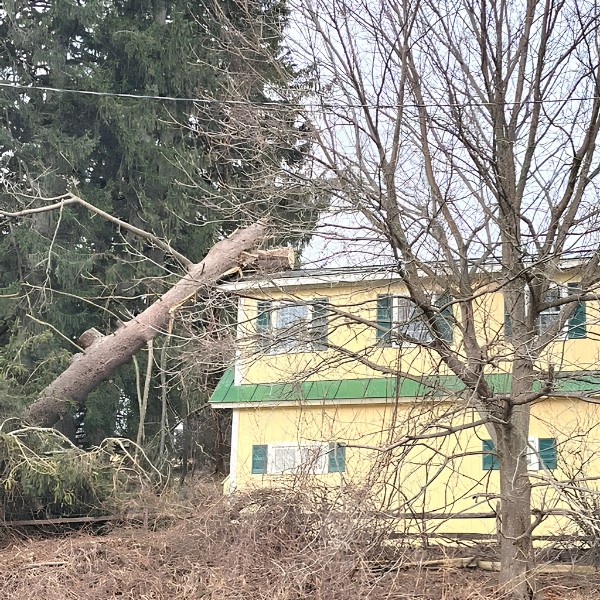
Who to Call First During a Tree Emergency
In a tree emergency, the right call depends on the exact situation.
Call 911 if:
Call your utility company if:
Call Limbwalker if:

Fast Response Across Western Vermont
Is It Really an Emergency?
Not every fallen branch warrants a phone call in the middle of the night. It’s likely not an emergency if:
In those cases, the situation can usually be handled with a scheduled visit rather than an urgent response. Either way, reach out to us and we’ll figure out the right next step.
Rapid Respons, Thoughtful Execution
How Limbwalker Responds to Tree Emergencies
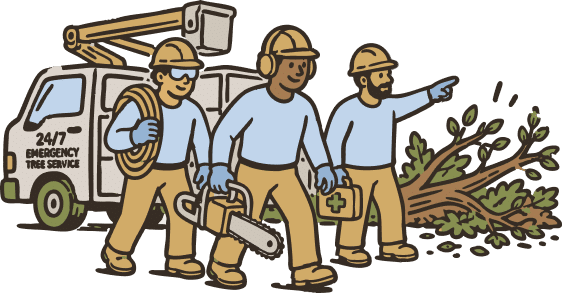
During normal weather, we can usually respond to emergencies on the same day. When ice storms, high winds, or heavy snow hit the area, we triage the work by taking the most dangerous situations first and working our way through emergency calls as conditions allow.
On site, safety is paramount. Before we start working, our team:
- Looks for power lines and other utilities
- Listens and asks for any running generators
- Conducts a safety briefing
- Establishes a clearly marked work zone with good visibility
This is how we make sure everyone goes home safely after a long, hard day.
Storm Damage or Fallen Tree? Call Us
When in an emergency, the best way to reach us is to call our office at (802) 989-9343. During business hours, a member of our team will answer and get an arborist on the line. After hours, it's best to leave a detailed voicemail with your name, address, phone number, and a brief description of the situation. During storm events, we regularly check messages.
Safety Comes First
Things to Do (and Not Do) Before We Arrive
Every situation is different, and we’ll give you specific guidance when you call. In general, though:
DO:
Keep yourself, your family, and your pets away from the impacted area
Document the damage from differing angles at a safe distance for your records
If able, note any utility lines, generators, septic systems, or other features near the work site so we know about them ahead of time
DON’T:
Try to remove the tree yourself, even if it seems manageable. Fallen trees are under a lot of tension and unpredictable
Approach any branch or tree in contact with power lines, including the smaller secondary lines running to your house
Run a chainsaw on a damaged tree, especially in stormy conditions
The Right Team for the Job
Why Homeowners in Vermont Call Limbwalker
When a tree comes down or puts your home at risk, who you call matters. Here’s what sets Limbwalker apart when the situation is urgent and there’s no room for mistakes.
ISA Certified Arborists on Every Job
Responding to storms is high-stakes work. Our team is credentialed, well-trained, and experienced with decades of emergency calls under their belt.
25+ Years Serving the Champlain Valley
We know western Vermont’s trees, soils, and storm patterns—from winter ice to summer storms and everything in between.
Local, Accountable & Owner-Operated
When you call Limbwalker, you call a local company. Mike and the team are active members of this community.
Fully Insured
We carry comprehensive liability insurance and workers’ compensation, so you don’t get exposed to risk during the work.
Open & Honest Expectations
We’re upfront about a job outside our scope of work or if you need to call your utility company first. We don’t believe in upselling or pressuring.
Continuous Safety Training
Our crews undergo ongoing training in safe rigging, hazard recognition, and storm-specific procedures.
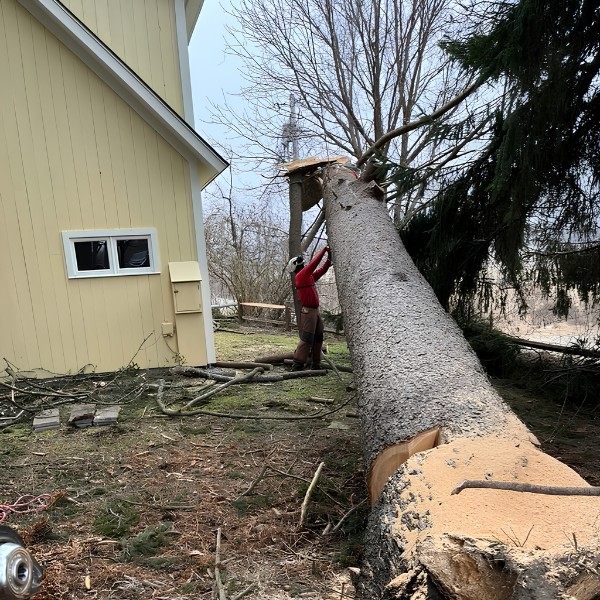
When We See the Most Storm Damage
In western Vermont, tree emergencies tend to follow seasonal patterns—but conditions can shift quickly year to year:
Late Fall–Early Winter
Saturated soils, high winds, and early snow or ice loads can lead to uprooting and limb failure
Mid–Late Winter
Ice storms and heavy snow put significant weight on branches, often causing breakage
Spring Thaw
As the ground softens and saturates, trees become more vulnerable to wind-related failures
Summer
Thunderstorms bring high winds, lightning strikes, and sudden limb drop
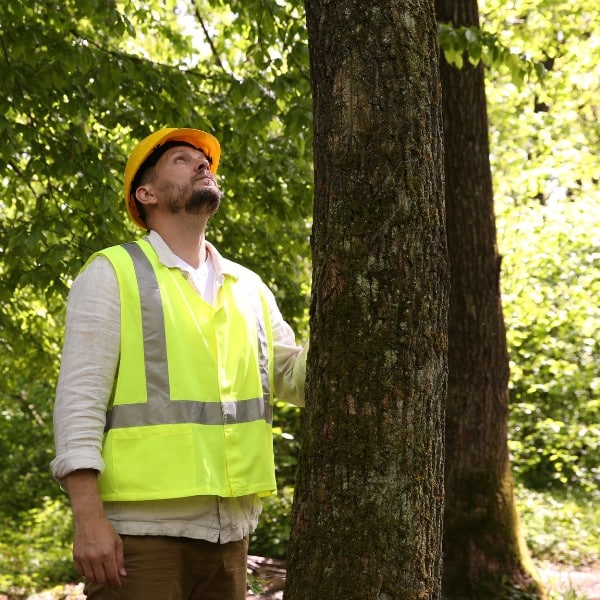
Reduce the Risk of Tree Emergencies
The Best Emergency Is One That Doesn’t Happen
Great trees are far from accidental. Neither is a property that effectively weathers storms. A lot of the trees we remove during emergencies were showing warning signs months or years earlier. Proactive care doesn’t eliminate every risk, as that can’t be promised, but it can significantly decrease the chance of a bad outcome.
Ways to reduce your risk are:
When Storms Strike
Helping Homeowners Across Western Vermont
When things are urgent, we proudly serve clients throughout the Champlain Valley with emergency tree service. To make sure you're covered, see our complete service area.
Don’t See Your Town?
We likely cover it. Call us at (802) 989-9343 or request a free consultation—we’ll let you know right away.
Learn More About Tree Emergencies
A tree emergency can happen in an instant, which is why knowing what can do wrong is important. Go to our blog to learn more.
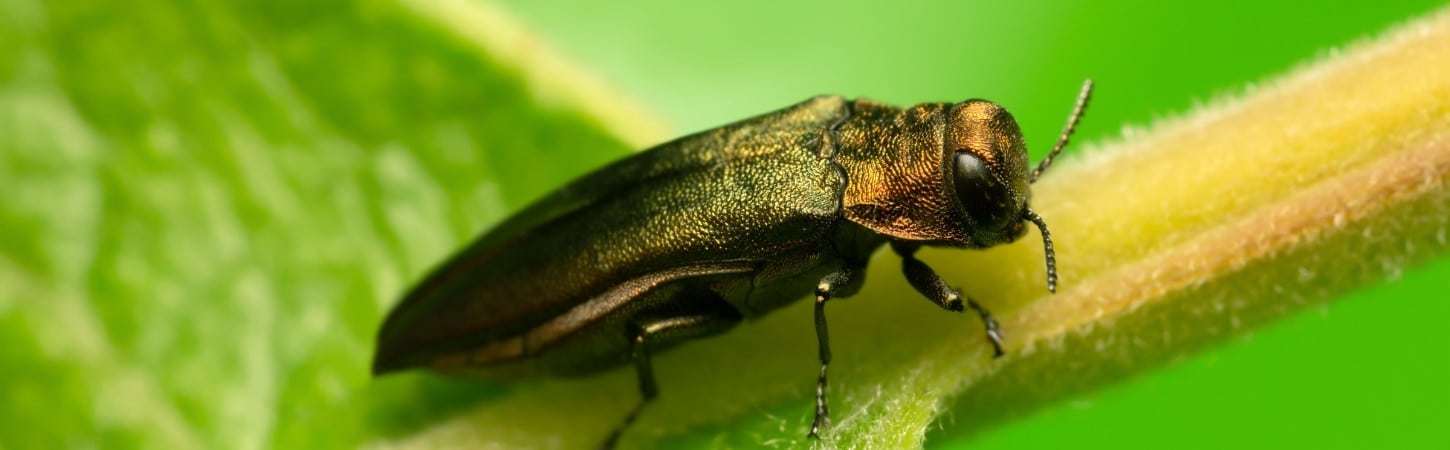
What Tree Pests and Diseases You Should Watch for in Vermont
A guide to tree pests and diseases in Vermont that homeowners should watch for and what to do next if you suspect your tree is at risk of decline.
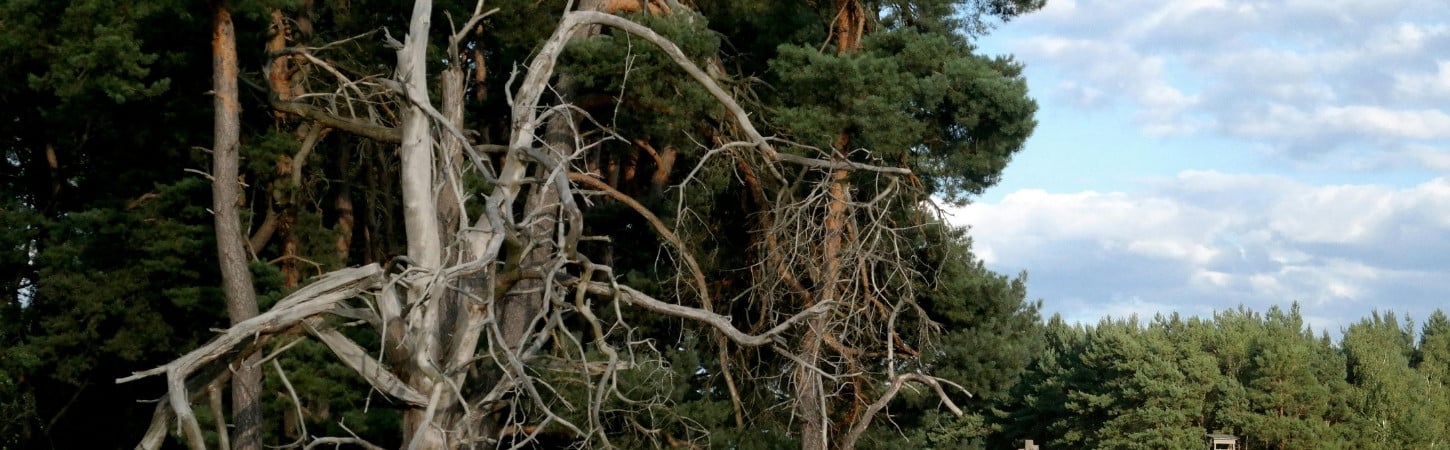
How to Identify Hazardous Trees in Vermont
Worried about a tree on your property? Learn the warning signs of hazardous trees in Vermont and when professional evaluation or removal may be needed.
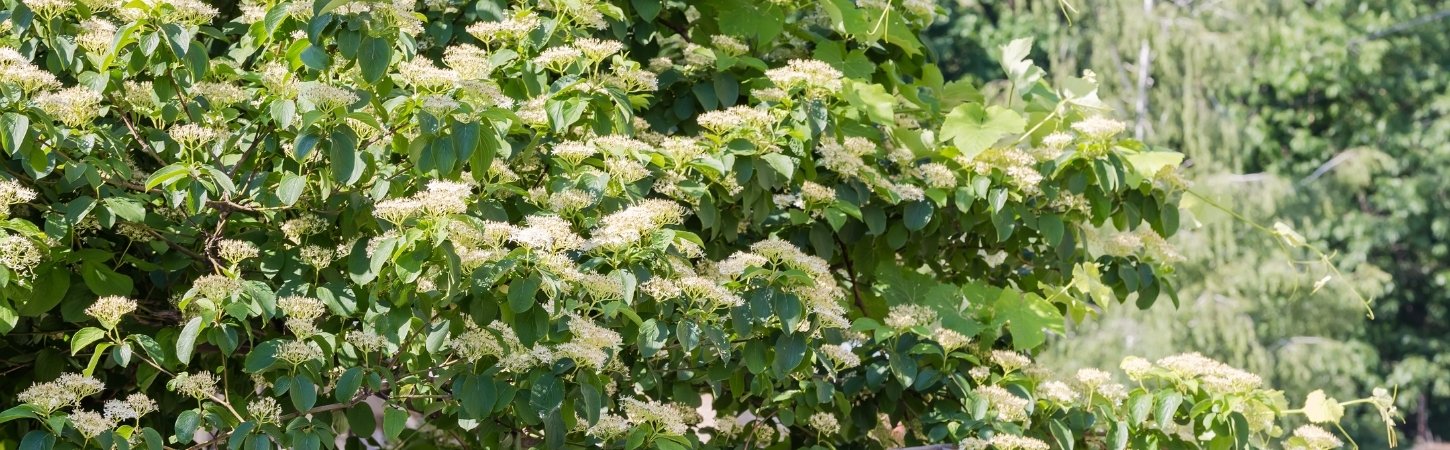
Best Flowering Trees to Plant in the Champlain Valley
A helpful guide to discover the best flowering trees in Vermont, including the best species for the Champlain Valley, when to plant, and first-year care tips.

Have a Tree or Hazard You’re Worried About? Call Limbwalker Tree Service
Whether it’s an active emergency or a tree that’s been raising your concerns for some time, we’ll talk it through and figure out what should be done next.


